




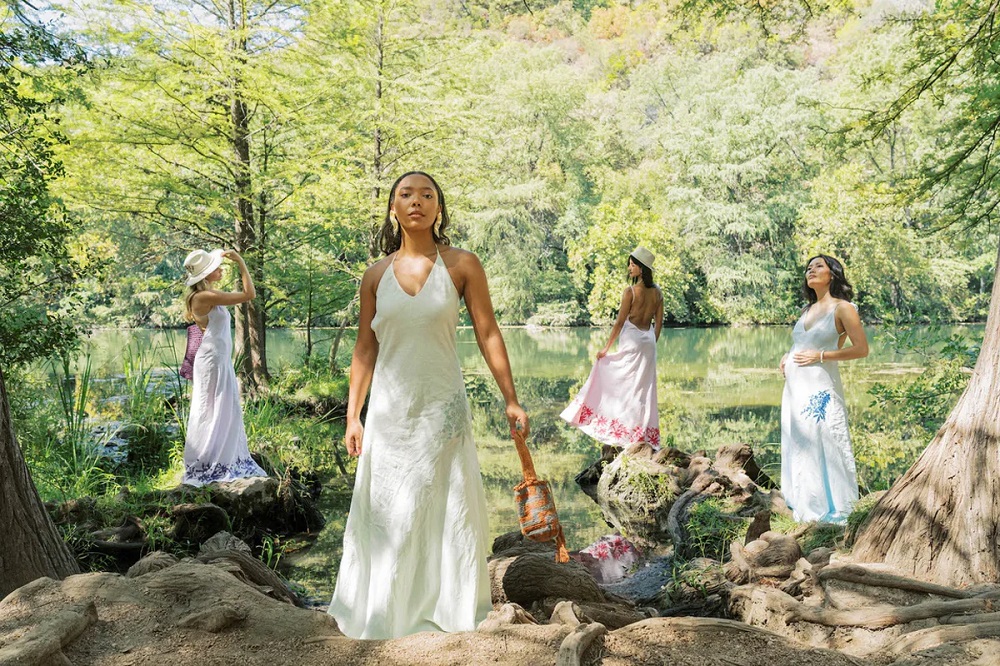
The global apparel industry is experiencing a profound systemic shift. For decades, the dominant economic engine of the fashion world was fast fashion, a business model built on rapid production cycles, low manufacturing costs, and high-volume consumption. While this system made trendy clothing affordable to the masses, it created severe ecological and social consequences. The contemporary global market is now witnessing a powerful counter-movement driven by conscious consumers, progressive designers, and stricter international regulations.
Ethical fashion has transitioned from a niche, specialized segment into a mainstream economic force. This paradigm shift encompasses a holistic commitment to environmental sustainability, fair labor practices, animal welfare, and supply chain transparency. As the global community confronts the realities of resource depletion and human exploitation, the garment industry is undergoing a structural revolution that is redefining how clothes are designed, sourced, manufactured, and discarded.
Deconstructing the Environmental Footprint of Apparel
To understand the global rise of ethical fashion, one must first examine the ecological toll of the conventional garment industry. Apparel manufacturing is historically one of the most resource-intensive and polluting industrial sectors on the planet. From immense water depletion to chemical runoff, the traditional method of clothing production inflicts severe strain on global ecosystems.
-
Water Intensity and Depletion: Producing a single conventional cotton t-shirt can require thousands of gallons of water, frequently draining vital aquatic resources in regions already suffering from severe drought.
-
Chemical Contamination: The processes of industrial textile dyeing and fabric treatment rely on thousands of synthetic chemicals, including heavy metals and toxins, which are regularly discharged into local river systems, poisoning agricultural lands and drinking water supplies.
-
Carbon Emissions: The fragmented nature of global apparel supply chains, where raw materials are grown in one nation, spun in another, assembled in a third, and sold globally, generates massive carbon footprints through maritime and air logistics.
-
Synthetic Microplastics: The widespread use of cheap, petroleum-based synthetic fabrics like polyester, nylon, and acrylic releases millions of microplastic fibers into the marine environment every time these garments are laundered.
Ethical fashion brands are actively combating these issues by pioneering low-impact manufacturing techniques, utilizing closed-loop water filtration systems, and replacing harmful synthetic dyes with non-toxic, organic alternatives.
The Evolution of Sustainable Fabric Innovations
A cornerstone of the global ethical fashion movement is the rapid development and adoption of innovative, eco-responsible materials. Progressive designers are moving away from both resource-heavy conventional cotton and petroleum-derived synthetics, opting instead for next-generation textiles that naturally minimize environmental harm.
Organic cotton has become an industry standard, grown without the use of synthetic pesticides or genetically modified seeds, which protects both soil health and the physical well-being of agricultural workers. Beyond organic variants of traditional crops, the industry is embracing resilient fibrous plants like industrial hemp and linen derived from flax. These crops require minimal water, naturally resist pests without chemical interventions, and can thrive in poor soil conditions where food crops cannot be cultivated.
Concurrently, material science is unlocking cutting-edge bio-based alternatives. Brands are incorporating fabrics made from agricultural waste, such as vegan leathers derived from pineapple leaf fibers, apple peels, and mushroom mycelium networks. Regenerated cellulose fibers, including high-grade Tencel and lyocell sourced from sustainably managed eucalyptus forests, are highly celebrated for their soft texture, durability, and completely biodegradable nature. By integrating these circular materials into their seasonal collections, fashion labels are proving that aesthetic appeal and structural performance do not need to be sacrificed to protect the planet.
Prioritizing Human Dignity and Fair Labor Standards
While environmental conservation dominates public discourse, the ethical fashion movement places equal emphasis on the human element of the supply chain. The historical fast fashion infrastructure relied heavily on outsourcing production to developing nations with weak labor regulations, resulting in substandard wages, dangerous structural working environments, and systemic worker exploitation.
Ethical fashion brands operate on the fundamental principle that human dignity is non-negotiable. This commitment manifests as an insistence on verified fair trade practices across every layer of production, from the agricultural field to the final stitching facility.
-
Living Wage Guarantees: Ethical brands ensure that garment workers receive a true living wage that covers standard housing, nutrition, healthcare, and education costs, rather than merely meeting local legal minimum wages.
-
Occupational Safety Inspections: Manufacturers must maintain strict adherence to structural, fire, and electrical safety standards within production facilities, preventing industrial tragedies.
-
Eradication of Exploitation: Certified ethical supply chains enforce absolute prohibitions against forced labor and child exploitation, backed by unannounced independent third-party compliance audits.
-
Worker Empowerment: Ethical initiatives support the establishment of democratic worker committees and collective bargaining rights, allowing artisans and laborers to voice concerns and safely negotiate employment terms.
By humanizing the garment workforce, conscious consumerism helps elevate vulnerable communities out of systemic poverty and establishes a more equitable global economic framework.
The Re-emergence of Circularity and Slow Fashion
A sustainable future cannot be achieved solely by changing how garments are made; it requires a radical transformation in how consumers interact with their wardrobes. The concept of slow fashion encourages individuals to reject the continuous cycle of micro-trends and instead view clothing as a long-term investment.
This philosophy promotes the production of classic, high-quality garments built to endure years of wear rather than falling apart after a few wash cycles. Furthermore, the global fashion market is experiencing a massive surge in circular economy frameworks. The secondary garment market, including digital resale platforms, vintage curation shops, and clothing rental services, is expanding at a rate that outpaces traditional retail sectors.
Simultaneously, brands are designing for disassembly, ensuring that when a garment finally reaches the absolute end of its functional life, its constituent fibers can be easily separated, chemically or mechanically recycled, and reintroduced into the production pipeline as fresh raw material. This eliminate-waste mindset closes the industrial loop, transitioning the fashion world from a linear take-make-dispose trajectory toward a fully sustainable, regenerative cycle.
Consumer Responsibility and the Power of Informed Choice
Ultimately, the global trajectory of the fashion industry lies in the hands of the consumer. Every purchase decision serves as a direct vote for the type of industrial practices an individual wishes to support. While systemic change requires legislative action and corporate compliance, shifts in consumer purchasing patterns act as the primary catalyst for market-wide transformation.
Becoming a conscious consumer requires moving past clever greenwashing marketing campaigns and actively demanding verified institutional transparency. Buyers are increasingly looking for recognized third-party certifications like the Global Organic Textile Standard, Fair Trade Certified stamps, and B-Corporation statuses before investing in new apparel. By prioritizing quality over sheer quantity, choosing pre-loved items, properly maintaining existing wardrobes, and supporting brands that put people and the planet above profit, global citizens are collectively driving the automotive forces of style toward a clean, fair, and sustainable horizon.
Frequently Asked Questions
What exactly is greenwashing and how can consumers identify it?
Greenwashing occurs when a company uses vague, misleading, or unsubstantiated environmental claims to craft a sustainable public image while continuing destructive operational practices. Consumers can spot this by looking for specific, verifiable metrics and recognized independent certifications rather than relying on ambiguous marketing buzzwords like eco-friendly, natural, or green.
Why are ethically manufactured clothes generally more expensive than fast fashion items?
Ethical garments carry higher price points because their retail costs accurately reflect the true expenses of sustainable production. This includes paying agricultural workers and garment seamstresses guaranteed living wages, utilizing premium eco-responsible fabrics, investing in clean manufacturing technologies, and operating under lower production volumes.
Can synthetic fabrics ever be considered part of an ethical wardrobe?
While virgin petroleum-based synthetics are highly problematic, recycled synthetics, such as polyester derived from post-consumer plastic bottles or abandoned ocean fishing nets, can play a transitional role in ethical fashion. They repurpose existing plastic waste and require less energy to produce, though they still release microplastics when washed unless a specialized filtration wash bag is utilized.
How does the concept of a capsule wardrobe support the ethical fashion movement?
A capsule wardrobe is a curated collection of a few high-quality, versatile garments that can be easily interchanged to create numerous outfits. This approach supports ethical fashion by discouraging impulse buying, reducing overall clothing waste, and fostering a deep appreciation for durable, timeless style over fleeting, disposable trends.
What happens to clothing when it is dropped off at standard retail recycling bins?
While some brands successfully downcycle these items into industrial insulation or mechanical rags, a significant portion of conventionally constructed clothing dropped in mass take-back bins still ends up exported to developing countries or dumped in landfills. This occurs because low-quality blended fabrics are incredibly difficult and expensive to separate and recycle efficiently.
How can someone care for their clothes to make them last longer and reduce environmental impact?
Owners can extend the lifespan of their garments and minimize ecological harm by washing their clothes less frequently, utilizing cold water cycles, switching to mild plant-based detergents, skipping the heat of the mechanical dryer in favor of line drying, and learning basic repair skills like sewing buttons and mending minor seams.
