




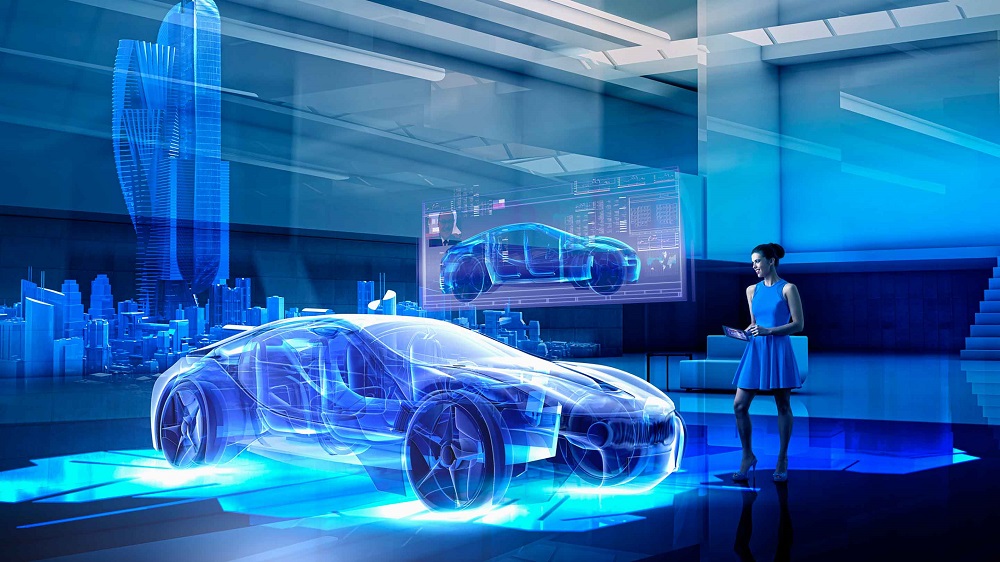
The global automotive industry is undergoing its most radical transformation in over a century. For decades, traditional automakers competed primarily on mechanical prowess, evaluating engineering success through metrics like horsepower, structural durability, and manufacturing efficiency. Today, the traditional competitive landscape has completely shifted. The modern vehicle has transformed from a primarily mechanical machine into an intelligent, connected, and highly adaptable computing platform on wheels.
As consumer expectations evolve and technology companies enter the transportation sector, legacy automotive brands and emerging disruptors are locked in a high-stakes arms race. Survival in this new era requires continuous technological evolution. Automotive brands are aggressively competing through multi-faceted innovation strategies, fundamentally rewriting the rules of vehicle design, manufacturing, ownership, and daily operation.
The Rise of Software-Defined Vehicles
The most significant structural shift in the automotive world is the transition to Software-Defined Vehicles, commonly referred to as SDVs. Historically, an automobile relied on dozens of isolated Electronic Control Units, or ECUs, each dedicated to a single task like managing the air conditioning, regulating the anti-lock braking system, or controlling the infotainment setup. This decentralized approach created rigid vehicle architectures that could not be modified once the car left the factory floor.
Modern automotive brands are replacing this fragmented framework with centralized high-performance computing platforms. By consolidating processing power into a few unified computers, automakers can govern most of the vehicle functions through lines of code. This shift introduces crucial competitive advantages.
-
Over-the-Air Adjustments: Through cellular cloud connectivity, manufacturers can deploy over-the-air updates directly to customer vehicles. These remote installations allow brands to fix software bugs, optimize electric vehicle battery efficiency, enhance advanced driver-assistance systems, and introduce new digital amenities without requiring a physical dealership visit.
-
Continuous Product Evolution: Unlike traditional cars that depreciated in functional value over time, software-driven vehicles can actively improve after purchase. A vehicle purchased today can receive upgraded performance parameters or entirely new automated parking features three years down the line.
-
New Post-Sale Revenue Models: By decoupling hardware from software functionality, automakers are introducing digital subscription services. Customers can choose to pay monthly or annual fees to unlock premium navigation packages, advanced driver assistance functionalities, or upgraded acceleration profiles.
This software-centric transition completely resets consumer relationships and extends the financial lifecycle of the vehicle far beyond the initial point of sale.
Artificial Intelligence in the Cabin and the Factory
Artificial intelligence has evolved from an experimental technology into a foundational driver of automotive differentiation. Brands are embedding sophisticated machine learning models across their entire corporate ecosystems, utilizing AI to elevate both the end-user experience and the behind-the-scenes engineering pipelines.
Within the digital cockpit, legacy voice command systems that required rigid, pre-programmed phrases are giving way to natural language generative AI assistants. These responsive digital companions can comprehend context, engage in fluid dialogue, manage climate settings, customize media preferences, and calculate complex multi-stop route optimizations based on real-time traffic and charging station availability. Predictive AI algorithms also monitor vehicle components continuously, analyzing sensor data to flag potential mechanical anomalies before an actual component failure occurs, thereby notifying the owner to schedule predictive maintenance.
Behind the factory doors, machine learning is dramatically accelerating how vehicles are brought to life. Automakers use generative AI tools to conduct advanced structural simulations, reducing the need for costly physical prototyping cycles. AI systems analyze millions of virtual stress tests to design lighter, more aerodynamic components, lowering production expenses while validating critical functional safety standards ahead of production.
Flexible Powertrain Strategies and Battery Advancements
While the complete transition to pure Battery Electric Vehicles, or BEVs, was initially predicted to occur rapidly, market conditions have prompted a strategic recalibration. Driven by changing consumer preferences, high purchase premiums, and localized charging infrastructure constraints, automotive brands are competing through flexible powertrain portfolios.
Rather than channeling resources solely into a single propulsion technology, leading brands are deploying modular vehicle architectures that can seamlessly host internal combustion engines, plug-in hybrids, traditional gas-electric hybrids, and battery-electric drivetrains on the exact same assembly line. Hybrids, in particular, are experiencing a massive commercial resurgence, offering buyers optimized total cost of ownership and fuel savings without the range anxiety associated with charging networks.
Concurrently, intense innovation continues within the chemistry of the batteries themselves. Automakers are investing heavily in alternative chemistries like Lithium Iron Phosphate, which minimizes reliance on volatile supply chains for scarce minerals like cobalt and nickel. Research teams are also racing to commercialize solid-state battery technology, which promises to unlock significantly higher energy densities, longer operational lifespans, and dramatically faster charging intervals compared to conventional liquid-electrolyte cells.
Ecosystem Alliances and Cross-Industry Collaboration
The sheer complexity of building modern, hyper-connected vehicles has broken down the historical silos of the automotive sector. No single car manufacturer possesses all the in-house capabilities required to master advanced software development, cloud computing architectures, semiconductor design, and battery mineral refinement simultaneously. As a result, competition has transformed into an aggressive battle between complex corporate ecosystems.
Traditional automakers are actively forming strategic joint ventures and cross-regional alliances. Legacy brands are partnering directly with massive consumer technology companies, integrating specialized operating systems, cloud storage services, and established mobile app ecosystems right into the dashboard. Furthermore, western automotive giants are increasingly initiating collaborative partnerships with experienced international manufacturers to quickly gain access to mature, highly integrated electric vehicle supply chains and advanced software integration techniques.
By pooling engineering resources, sharing massive development costs, and standardizing core software blueprints, these cross-industry networks allow automakers to bring advanced innovations to market far faster than if they attempted to build them independently.
Sustainable Materials and Circular Manufacturing
Innovation is also sweeping through the physical composition of the vehicle, driven by strict regulatory emissions targets and an increasing consumer emphasis on corporate sustainability. Brands can no longer focus exclusively on eliminating tailpipe emissions; they must address the overall ecological footprint generated across the entire lifecycle of the automobile.
To achieve this, design studios are pivoting toward eco-responsible, bio-based, and recycled structural materials. Automakers are replacing heavy steel components with lightweight aluminum alloys and durable composite materials derived from natural fibers, which directly enhances fuel and battery efficiency. Inside the cabin, synthetic vegan alternatives, textiles woven from recycled ocean plastics, and sustainably harvested wood accents are rapidly replacing traditional premium leather options.
Manufacturing plants are also shifting toward closed-loop circular systems, where end-of-life vehicle components are collected, disassembled, and entirely repurposed into raw manufacturing stock for subsequent production runs.
Frequently Asked Questions
What is the primary difference between a traditional car and a software-defined vehicle?
A traditional vehicle relies on isolated hardware units and mechanical components to control specific actions, meaning its core capabilities are fixed once built. A software-defined vehicle utilizes a centralized computing platform that runs the vehicle functions through code, allowing the car to receive features, performance enhancements, and security updates wirelessly throughout its lifetime.
How does the integration of artificial intelligence improve passenger safety?
AI enhances safety by powering advanced driver-assistance systems that use real-time data from cameras, radar, and sensors. Machine learning algorithms process this information instantly to recognize obstacles, predict erratic pedestrian movements, execute automated emergency braking, and keep the vehicle safely centered within its lane.
Why are automotive brands investing in hybrid models alongside pure electric vehicles?
Automakers are expanding hybrid options to offer consumers a practical middle ground that combines fuel efficiency with affordability. Hybrids allow brands to appeal to buyers who want to reduce their environmental impact but face challenges such as high electric vehicle purchase prices or a lack of accessible public charging infrastructure.
What exactly is predictive maintenance in modern vehicles?
Predictive maintenance uses embedded sensors and machine learning algorithms to constantly monitor the operating health of critical components like the engine, brakes, and battery pack. By detecting minor performance anomalies early, the vehicle can alert the driver to a mechanical issue before it results in a dangerous breakdown or an expensive repair.
How do over-the-air updates benefit the average car owner?
Over-the-air updates deliver bug fixes, navigation mapping improvements, and new software features directly to the vehicle via cellular networks. This allows owners to keep their cars updated with the latest technology and performance optimizations without the hassle of driving to a service center.
How are automakers addressing the environmental impact of battery production?
Brands are investing heavily in alternative battery chemistries that eliminate the need for hard-to-source materials like cobalt, while also establishing dedicated recycling facilities to extract and reuse valuable metals from older electric vehicle battery packs.
