




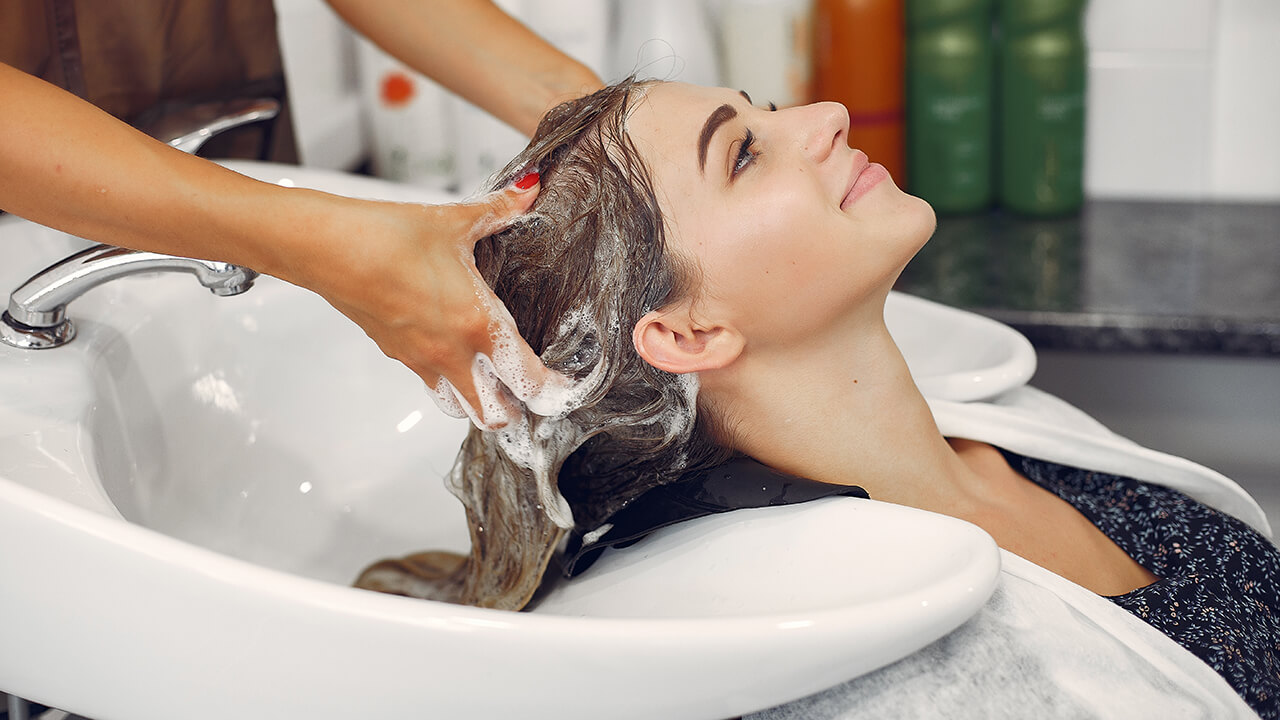
Choosing the temperature of water for your hair wash may seem like a minor detail, but it plays a significant role in maintaining the health, shine, and overall quality of your hair. While personal comfort matters, understanding why water temperature influences cleansing and conditioning can help you build a more effective routine. Whether you enjoy long showers or quick washes, finding the right balance makes a noticeable difference to hair texture and scalp comfort.
How Water Temperature Influences Hair Shampoo
Using a hair shampoo effectively depends not only on its formula but also on how well your hair and scalp are prepared. Warm water helps open the hair cuticles, allowing shampoo to cleanse more deeply by removing excess oil, dirt, and product build-up. Cold water, on the other hand, helps seal the cuticles, enhancing shine and smoothness. Both temperatures serve a purpose, and understanding when to use each can improve your overall hair care routine.
The Role of a Loreal Professional Shampoo in Your Routine
Incorporating a high-quality loreal professional shampoo into your wash routine can make the benefits of correct water temperature even more noticeable. These shampoos are formulated to address specific hair needs—whether that’s hydration, repair, colour protection, or smoothing. When paired with the right water temperature, they cleanse effectively without compromising the hair’s natural balance.
Benefits of Using Warm Water for Shampooing
Warm water is often recommended at the start of your wash because it helps loosen dirt, oil, and impurities more easily. This prepares the scalp for a thorough cleanse and activates the shampoo for better lathering. Warm water also softens the hair, making it simpler to detangle. However, it’s best to avoid excessively hot water as it may strip natural oils, potentially leading to dryness or a lack of shine.
Benefits of Using Cold Water When Rinsing
Once your hair is cleansed and conditioned, cold water plays a helpful role. Cool rinses help seal the cuticles, locking in moisture and creating a smoother finish. This step can also add natural shine, reduce frizz, and help maintain the effectiveness of any conditioners or treatments you’ve used. Cold water rinses are especially helpful for those with longer or chemically treated hair.
Finding the Right Balance Between Warm and Cold
You do not have to choose only one water temperature for your entire wash routine. In fact, the most effective method is to use warm water during the initial cleansing stage and switch to cold water for the final rinse. This approach allows you to enjoy both benefits—deep cleansing followed by enhanced shine and manageability. It’s a simple adjustment that can improve the overall look and feel of your hair.
Additional Hair Care Tips for Better Results
To get the best results from your routine, pair proper water temperature with mindful hair care practices. Use moisturising or strengthening conditioners according to your hair’s needs, and avoid rubbing the hair too harshly while washing. Gentle massaging improves scalp circulation without causing tangles. Make sure your hair products suit your hair type, as the right combination promotes long-term health and shine.
Final Thoughts
Both cold and warm water have unique benefits when shampooing, and using them together creates an effective and balanced routine. By understanding how each temperature affects your hair, you can refine your wash habits for improved texture, comfort, and shine. With the right technique and products, your hair can look and feel its best every day.
