




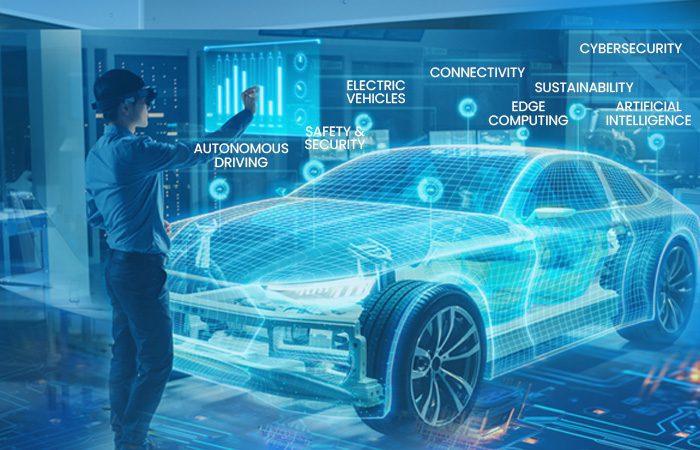
The automobile industry stands as one of the most influential sectors in the global economy, continuously evolving with technological advancements and shifting consumer preferences. In recent years, the industry has been marked by significant transformations that promise to redefine the way we interact with vehicles. From electric vehicles (EVs) to autonomous driving technologies, the future of automobiles is becoming more sophisticated, sustainable, and interconnected. This article will explore the key trends and innovations that are shaping the automobile industry, emphasizing the technological advancements driving change.
The Rise of Electric Vehicles (EVs)
The growing concern over climate change and environmental sustainability has led to an increased demand for cleaner, more energy-efficient transportation solutions. Electric vehicles (EVs) have emerged as one of the most promising solutions to reduce carbon emissions and reliance on fossil fuels.
With advancements in battery technology, EVs are becoming more affordable and accessible to the average consumer. Leading automakers such as Tesla, General Motors, and Nissan have expanded their EV offerings, while traditional automakers are shifting their focus towards electric alternatives to meet regulatory demands and consumer expectations. The introduction of longer-range batteries and the development of charging infrastructure are making EVs more practical and appealing. As governments around the world implement stricter emission regulations, the transition to electric mobility is gaining momentum, creating a shift toward greener, more sustainable driving options.
Autonomous Driving: The Path Toward Self-Driving Cars
Autonomous driving technology is another key innovation that is poised to redefine the future of automobiles. Self-driving cars promise to improve road safety, reduce traffic congestion, and transform the way we use vehicles. Leading companies in the automotive and technology sectors, including Waymo, Uber, and Tesla, are investing heavily in autonomous driving technology, bringing us closer to a world where vehicles can operate without human intervention.
The development of autonomous vehicles relies on advanced sensors, machine learning algorithms, and real-time data processing. These technologies allow cars to perceive their environment, make decisions, and navigate complex traffic situations. While full autonomy remains a long-term goal, significant progress has been made in creating partially autonomous systems, such as adaptive cruise control and lane-keeping assist, which are already available in many modern vehicles.
However, the adoption of autonomous vehicles presents several challenges, including regulatory hurdles, safety concerns, and the need for widespread infrastructure upgrades. Nevertheless, as the technology continues to evolve, we are likely to see a gradual transition toward greater levels of autonomy in vehicles.
The Integration of Smart Technology and Connectivity
As the world becomes increasingly interconnected, automobiles are also becoming smarter. The integration of advanced connectivity features is transforming the driving experience, making vehicles more intuitive, safer, and easier to operate. Infotainment systems, navigation tools, and voice-activated assistants are now commonplace in most new vehicles, allowing drivers to stay connected while on the road.
In addition to entertainment and convenience, connected vehicles also offer advanced safety features such as real-time traffic updates, collision avoidance systems, and remote diagnostics. These technologies leverage the power of the internet of things (IoT), enabling vehicles to communicate with each other and their surroundings to enhance safety and efficiency.
The shift toward connected cars is also leading to the development of new business models and services. For example, ride-hailing platforms, car-sharing services, and in-car e-commerce are all emerging as key components of the automobile industry, offering consumers more flexible and personalized transportation options.
The Role of Sustainability in Vehicle Design
Sustainability has become a central focus for the automobile industry, with manufacturers increasingly prioritizing environmentally friendly materials and energy-efficient manufacturing processes. Beyond the shift to electric vehicles, automakers are exploring alternative materials such as recycled plastics, bio-based composites, and lightweight metals to reduce the environmental impact of vehicle production.
In addition, many manufacturers are incorporating energy-efficient design principles into their vehicles to improve fuel economy and reduce emissions. This includes innovations such as aerodynamic designs, lightweight materials, and energy-efficient powertrains, all aimed at minimizing the environmental footprint of vehicles.
Furthermore, the automobile industry is embracing the concept of a circular economy, which focuses on reducing waste and maximizing the reuse and recycling of materials. Automakers are designing vehicles with end-of-life considerations in mind, ensuring that components can be easily recycled or repurposed when the vehicle reaches the end of its lifespan.
The Evolution of Mobility as a Service (MaaS)
Another trend that is reshaping the automobile industry is the rise of Mobility as a Service (MaaS). MaaS refers to the integration of various transportation services into a single, accessible platform, allowing users to plan, book, and pay for multiple modes of transport through a single app. This includes everything from public transit and ride-hailing to bike-sharing and car rentals.
MaaS is changing the way people think about ownership and transportation. With the growing popularity of on-demand services, fewer consumers may feel the need to own a car, opting instead for shared mobility solutions. This shift is encouraging automakers to rethink their business models and explore new ways to provide value to consumers, such as offering subscription-based vehicle access or partnering with mobility providers to offer seamless travel experiences.
The Road Ahead: Challenges and Opportunities
As the automobile industry continues to innovate, it faces several challenges. For instance, the transition to electric vehicles requires significant investment in charging infrastructure, battery production, and the development of renewable energy sources. Similarly, the widespread adoption of autonomous vehicles raises questions about insurance, liability, and the regulatory framework.
However, these challenges also present significant opportunities. Automakers that invest in cutting-edge technologies and sustainable practices will be well-positioned to lead the industry in the coming decades. The continued development of smart mobility solutions, electric vehicles, and autonomous driving technology will not only transform the automobile industry but also create new avenues for growth and innovation.
In summary, the automobile industry is undergoing a period of significant transformation, driven by technological advancements and shifting consumer demands. From electric vehicles and autonomous driving to connected cars and sustainability efforts, the future of transportation is rapidly evolving. As these innovations continue to shape the industry, we can expect a future where mobility is smarter, more sustainable, and more interconnected than ever before.
